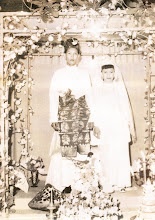
Keluarga Haji Abdul Rahman Bin Yusof Al Harby.
Bersasal dari Hadramud. Yusof Bin Ismail Bin Saleh Abdalmuttalib dari kaum Arab Andaniyah. Mereka ini adalah "traders" dan pakar (craftsmen)pakar ukir kayu kayuan binaan rumah kediaman dan hiasan dalaman corak ISLAM, berhijah ke Gujerat, India."Interior Decoration".
Hardwood furniture, embellished with inlay work was a very popular item. The furniture was modelled on the European design but the expensive carvings and inlays were inspired by the ornate Mughal style. The production centres were in Sindh, Gujarat and the Deccan. Mother-of pearl inlay against a black lac background was a traditional design in Gujarat.

Subscribe to:
Post Comments (Atom)

(2) Kelantan
ReplyDeletePop. (1911), 286,751. Revenue (1919), $1,141,- 444; expenditure, $1,065,012. Exports (1919), $5,467,424; imports $3,876,679. Out of the total exports, rubber represented a value of $3,577,127. The total value of direct trade, or trade other than with the Straits Settlements and Malay States, was $1,847,115, the export trade being almost wholly with the United Kingdom ($641,515), while imports were from that country, the Netherlands, India and Siam.
In 1912 the agreement between the Sultan and the Duff Development Co. was determined, and the Government renewed the sovereign powers previously conceded to the company over nearly twothirds of the area of the state. The company retained various agricultural and mineral rights, but mining remained almost undeveloped down to 1920. In 1919, however, an agreement was made with Chinese interests for the working of a mineral area in the Nenggiri, and a little tin ore was exported from the Bukit Yong concession in the Karnuning district.
A ferry service between Kota Bharu (capital of Kelantan) and Plekbang was reopened in Sept. 1919.